Each summer, the Asper Centre selects 1 or 2 law students to receive a fellowship to work in an organization within Canada that focuses on human rights advocacy. The funding comes from the John and Mary A. Yaremko Programme in Multiculturalism and Human Rights. The endowed fund provides awards for students who demonstrate academic excellence and who are participating in a broad range of community organizations relating to human rights and multiculturalism.
2025 Recipient
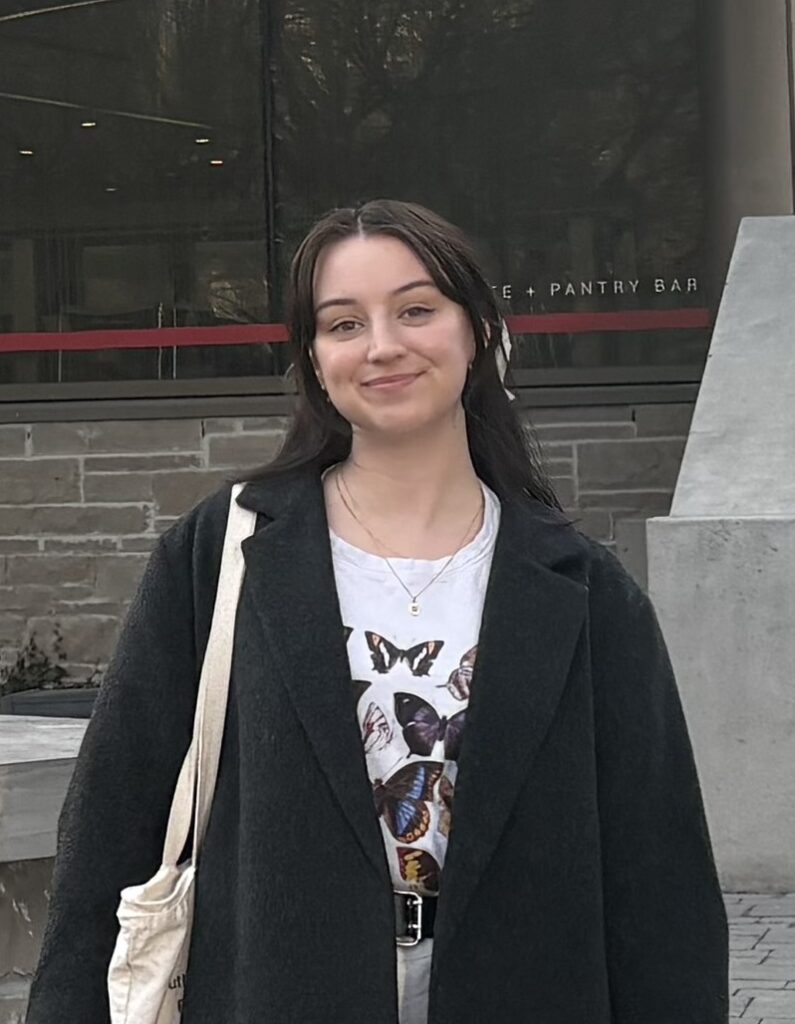
Olivia Parker is currently working at the Canadian Environmental law Association (CELA), where she has finalized an Environmental Action Guide (to be published soon) created in partnership with the Asper Centre, and is conducting research into several pressing environmental law topics.
Read Olivia’s interim report HERE.
Read Olivia’s Final report HERE.
2024 Recipient
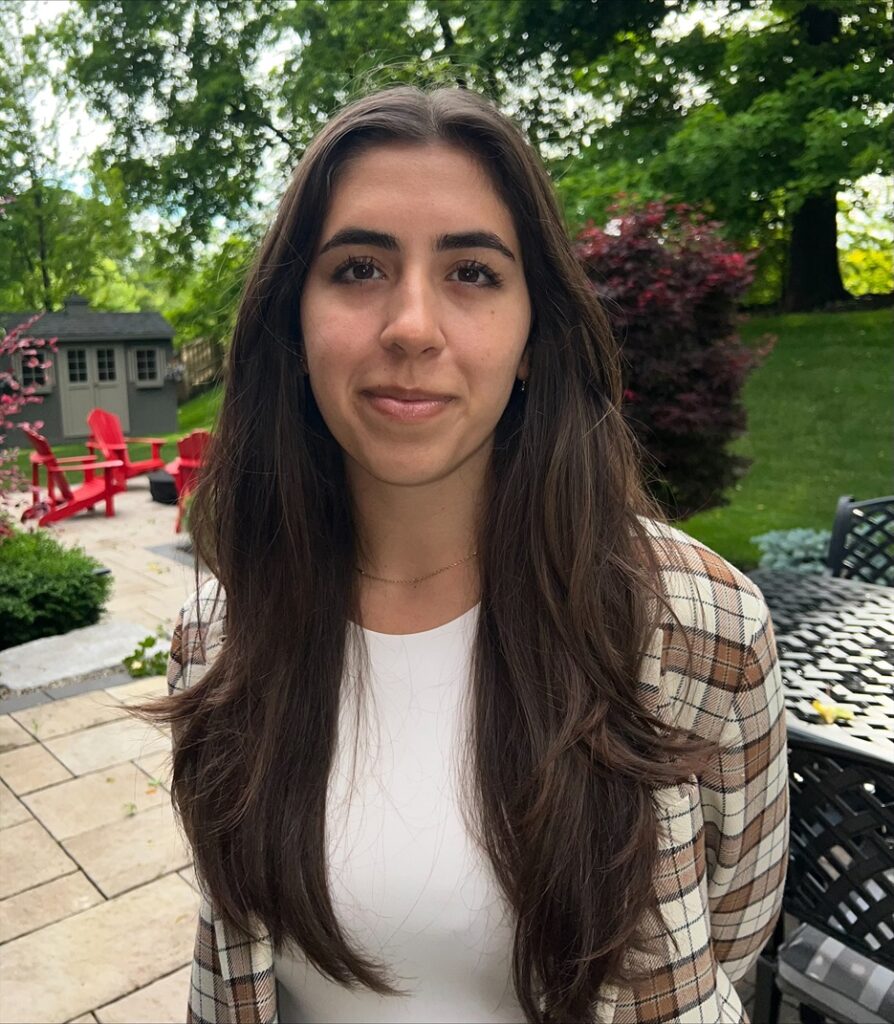
Ariana Zunino worked at the Hospital for Sick Children’s legal department, where she was involved in supporting lawyers’ case files and contributed to high level hospital policy reform.
Read Ariana’s report HERE.
2023 Recipient
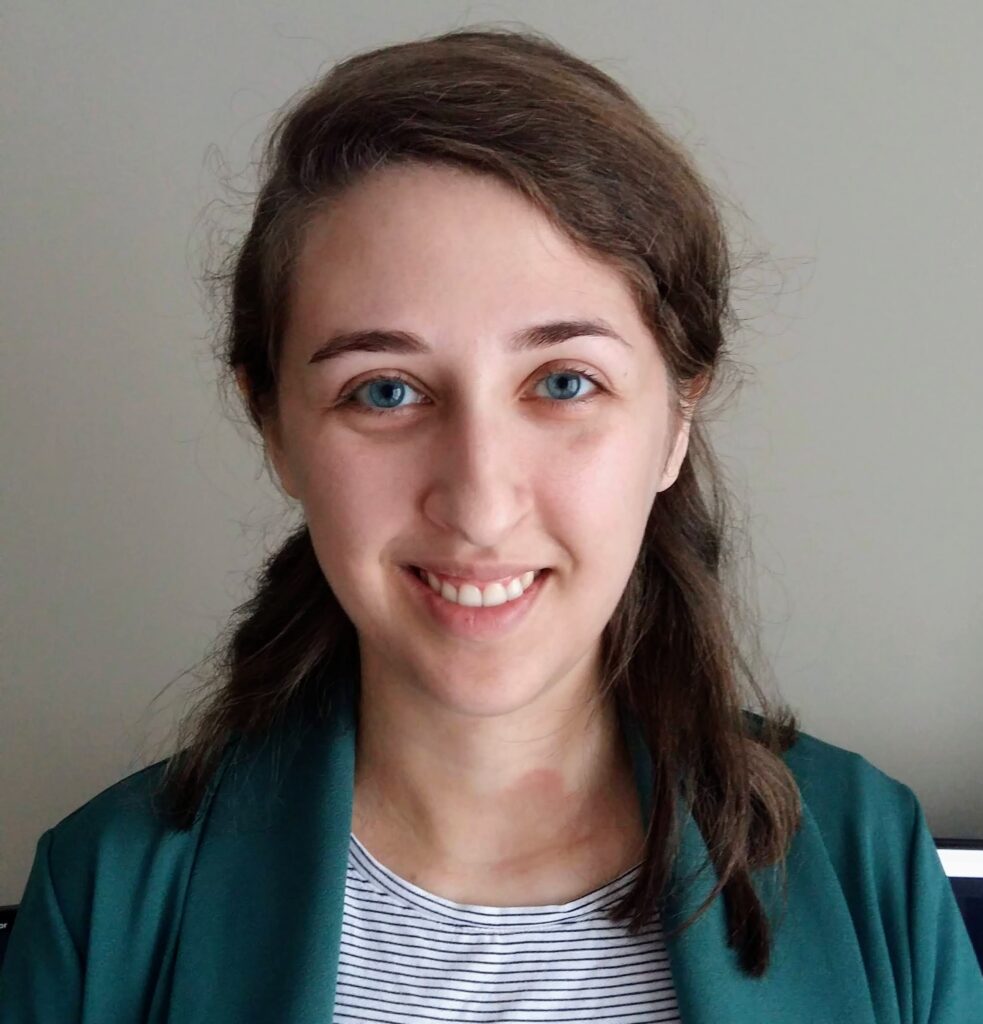
Rebecca Rabinowitz worked at the John Howard Society of Canada (JHSC) to research and write a report highlighting the numerous constitutional flaws in Canada’s law on solitary confinement, as well as changes that could better protect prisoners’ constitutional rights. Read the JHSC report here.
Read Rebecca’s report HERE
2022 Recipient
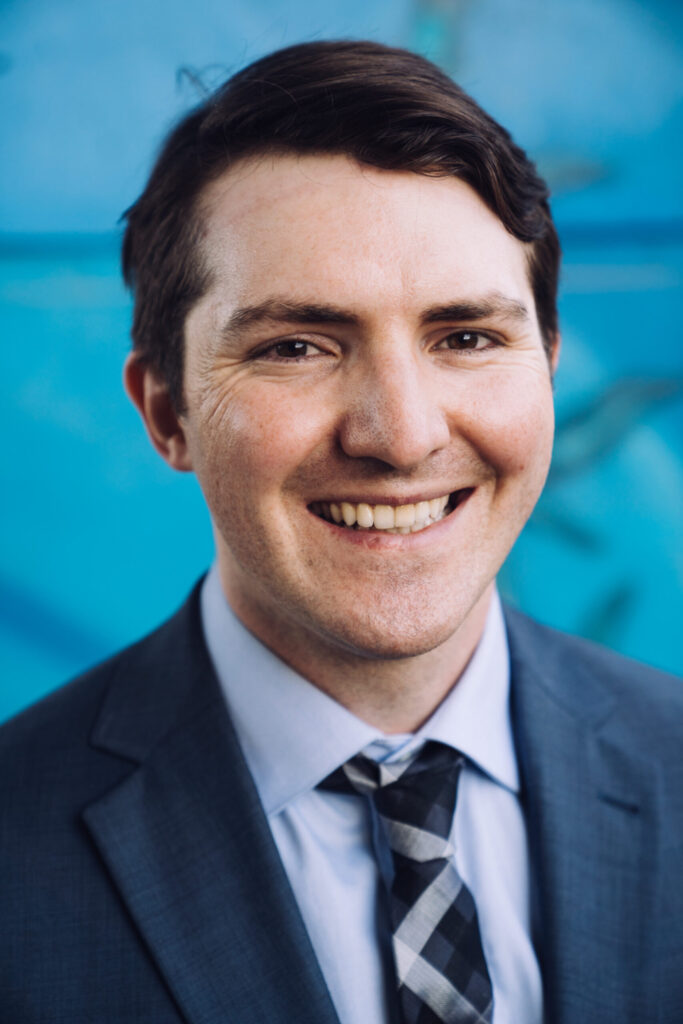
Taylor Rodrigues worked at the Canadian Civil Liberties Association in the Criminal Justice division working on projects ranging from an evaluation of police oversight bodies in Canada to research on the decriminalization of personal drug possession writ large.
Read Taylor’s report HERE
2021 Recipient

Meaza Damte worked at Justice for Children and Youth (JFCY) as an Asper Centre Summer Fellow in the summer of 2021. JFCY is a legal aid clinic in Ontario that provides legal services to young people under 18 and homeless youth under the age of 25. Over the course of the summer, Meaza worked on a constitutional challenge to the minimum voting age in Canada and a public legal education project aimed at enhancing access to special education.
Read Meaza’s final report here.
2020 Recipient
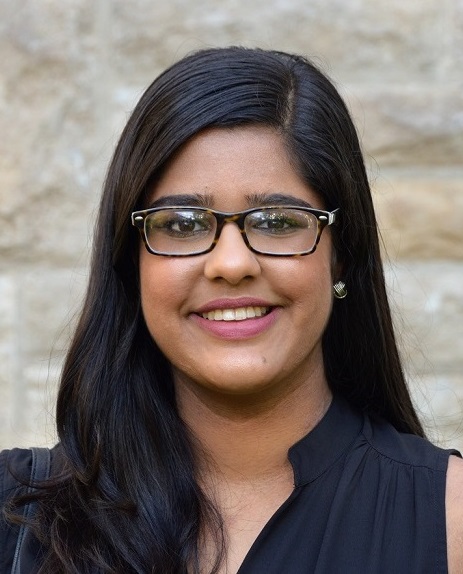
Seema Sidhu worked with Innocence Canada, where she helped develop an educational module as part of a larger Wrongful Convictions toolkit that Innocence Canada is creating, aimed at educating current law students on the causes of wrongful convictions to prevent future failures of the Canadian justice system. Seema also worked on a women’s outreach project aimed at having a direct increase in the number of women Innocence Canada serves.
Read Seema’s final report here.
2019 Recipient
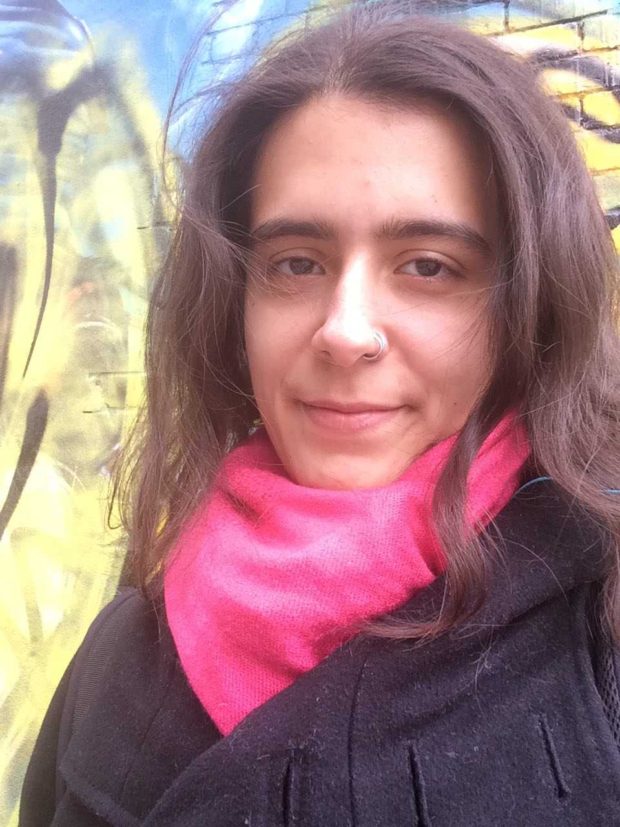
Paniz Khosroshahy worked at LEAF (Women’s Legal Education and Action Fund) in Toronto, where she assisted with law reform projects, such as LEAF’s submissions to various bodies on access to justice, alternative means of sexual assault adjudication, and Canada’s progress on gender equality according to the Beijing Platform. She also worked on LEAF’s new project on cyber-misogyny as well as preparing materials for a potential Supreme Court intervention in a case related to pension law.
Read Paniz’s report here.
2018 Recipient

Brittany Cohen worked for the Asper Centre’s Police Oversight project. Brittany researched and drafted a number of provincial police oversight public legal information guides.
2017 Recipients
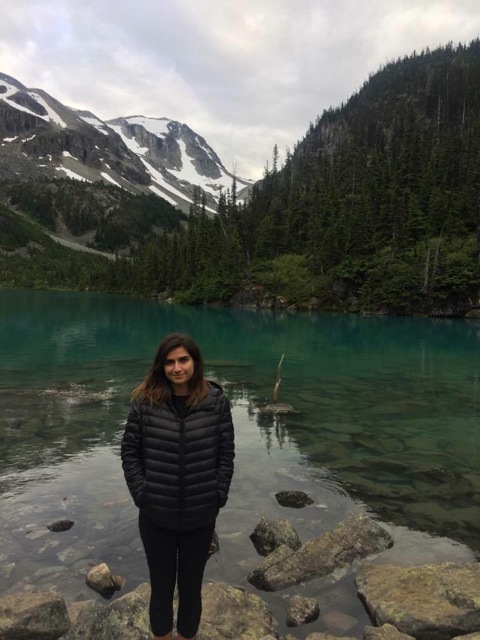
Tina Cody worked with the West Coast office of the Women’s Legal Education and Action Fund (LEAF) in British Columbia.

Sarah Strban worked for Mary Eberts of Olthuis Kleer Townshend LLP to assist in investigating police handling of Indigenous communities and to evaluate various systems of police oversight. This was being undertaken as part of the National Inquiry into Missing and Murdered Indigenous Women and Girls.
2015 Recipients

Roxanne de Souza worked with the National Office of the Women’s Legal Education and Action Fund (LEAF) in Toronto. Her work focused on LGBTQ rights, supporting LEAF’s Legal Strategy Coalition on Violence Against Indigenous Women, reproductive justice, and religious freedom.

Quinn Keenan worked with Ecojustice in Toronto. Quinn worked with environmental law issues such as protecting wildlife, addressing climate change, energy projects, and toxic chemical pollution. Ecojustice is Canada’s only environmental law charity.
2015 Ecojustice Keenan Fellowship
2012 Recipient
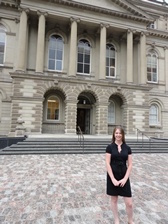
Janet Lunau volunteered at LEAF (Women’s Legal Education and Action Fund) in Toronto. Her work, in keeping with the mandate of the organization, focuses on gender equality.
2011 Recipients
Chris Evans volunteered at West Coast Environmental Law (WCEL) in British Columbia. His work has focused on two areas: the proposed “Northern Gateway Pipeline” project, and law reform related to forest licences in British Columbia. WCEL works closely with First Nations on both initiatives to advance recognition of their rights under section 35 of the Constitution, focusing mainly on the Crown’s duty to consult and accommodate and Aboriginal rights and title.
Megan Strachan volunteered with Yukon River Watershed Council in Anchorage, Alaska. YRITWC is a unique organization, consisting of 70 First Nation tribes throughout the Yukon River Watershed, including tribes in Alaska, Yukon Territory and British Columbia. YRITWC aims to preserve and protect the Yukon River through coordinating, facilitating, and providing a forum for these tribes to come together and work collectively and individually to realize this common goal.She has been tasked with researching water rights in the context of Yukon Territory.